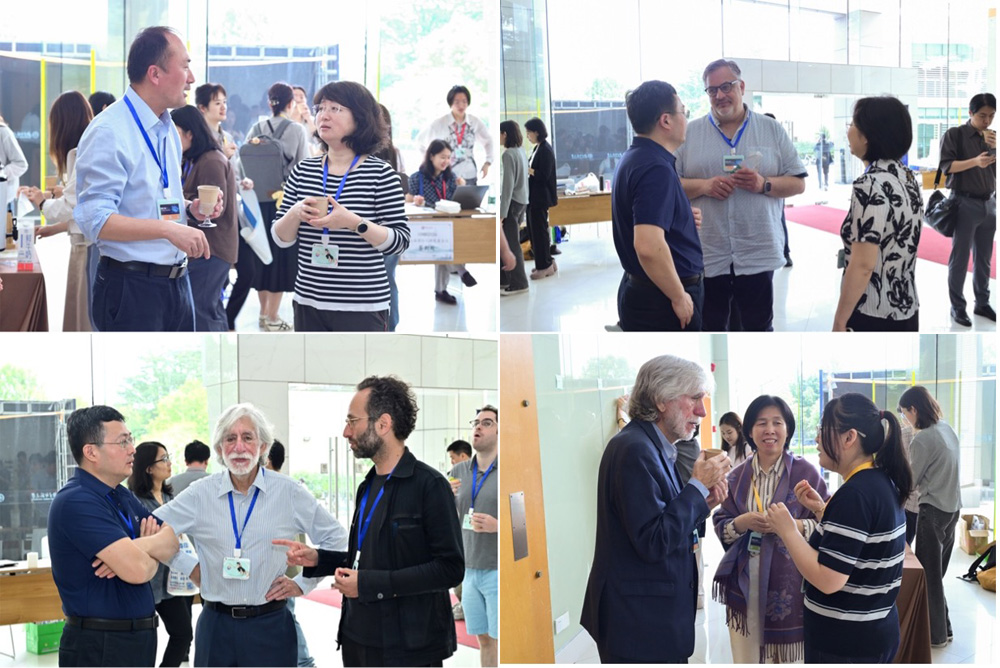
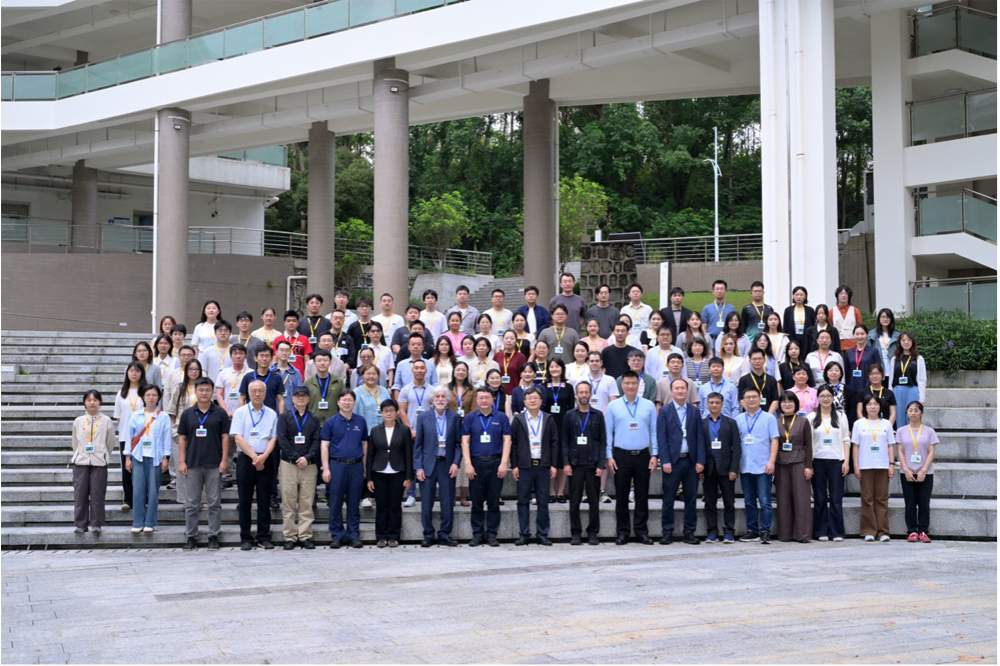
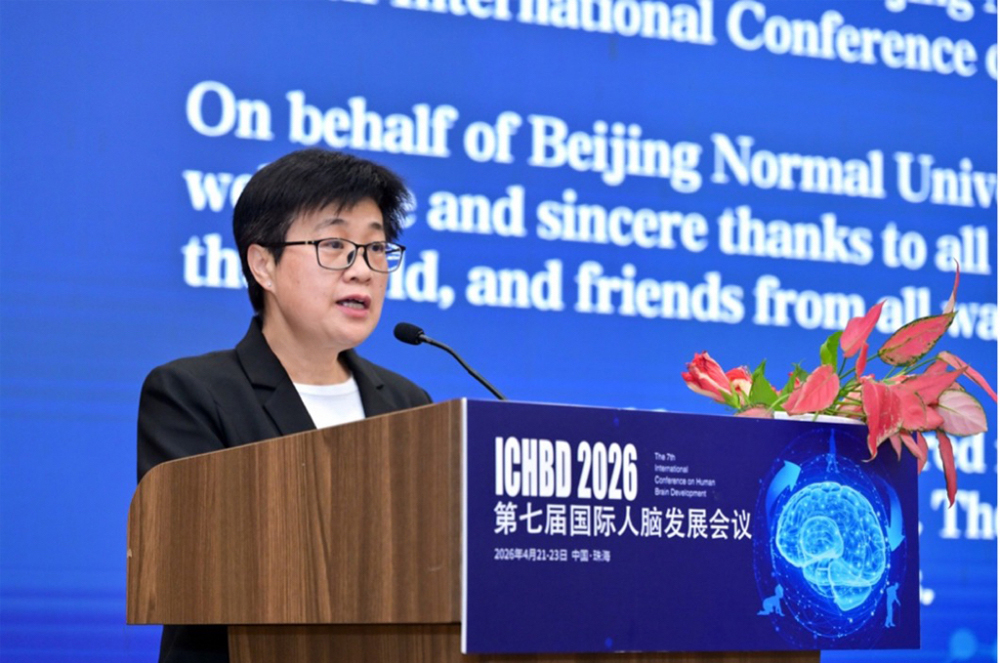
From April 21 to 23, the 7th International Conference on Human Brain Development (ICHBD 2026) was held at the Zhuhai Campus of Beijing Normal University (BNU). The conference was hosted by the Faculty of Psychology of BNU, organized by the Faculty of Arts and Sciences of BNU (Zhuhai), and co-organized by Beijing United Imaging Intelligence Research Institute. Under the theme "Frontiers on Science of Human Brain and Mind Health across Life Span," the conference invited 39 guest speakers from China, the United States, the Netherlands, France, Cuba, Singapore, Australia, and the United Kingdom. Nearly 200 domestic and international experts and scholars from various disciplines, including neuroscience, psychology, neuroimaging, biology, medicine, computer science, physics, and artificial intelligence, gathered to discuss the latest progress and challenges in population neuroscience. Wei Wei, Vice Chairman of the University Council of BNU and Chairman of the University Council of the Zhuhai Campus, attended the opening ceremony and delivered a speech, while F. Xavier Castellanos, a senior international scholar in the field of child mental health, also delivered opening remarks. The opening ceremony was hosted by Zuo Xinian, initiator of ICHBD and professor at the Faculty of Psychology and the IDG/McGovern Institute for Brain Research at BNU.
In her opening remarks, Wei Wei stated that brain science and brain-inspired research are important frontier fields serving the country's major strategic needs. BNU will continue to leverage its interdisciplinary advantages and international cooperation platforms, and looks forward to deepening exchange and cooperation with the attending experts to jointly promote the progress of human brain development research.
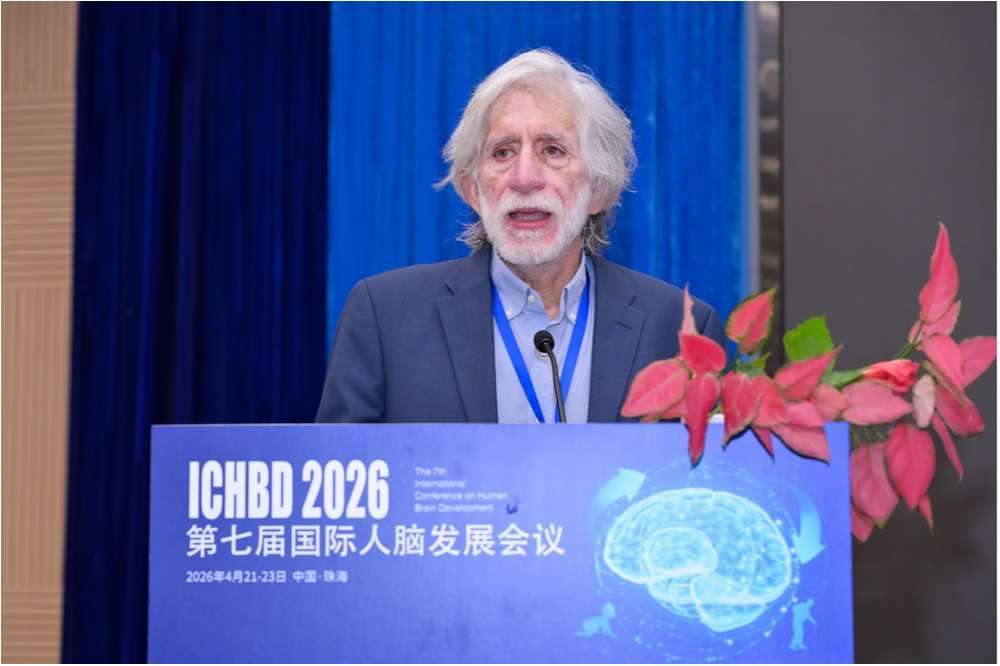
F. Xavier Castellanos, a senior international scholar in child mental health, Vice Chair of the DSM-5 ADHD Work Group, and professor at New York University, delivered a speech. He reviewed the 12-year development of ICHBD since 2014, highly commended the conference's important role in promoting interdisciplinary and cross-cultural scientific and technological cooperation, and looked forward to continuing to deepen collaboration to jointly promote the development of brain health research across the lifespan in the future.
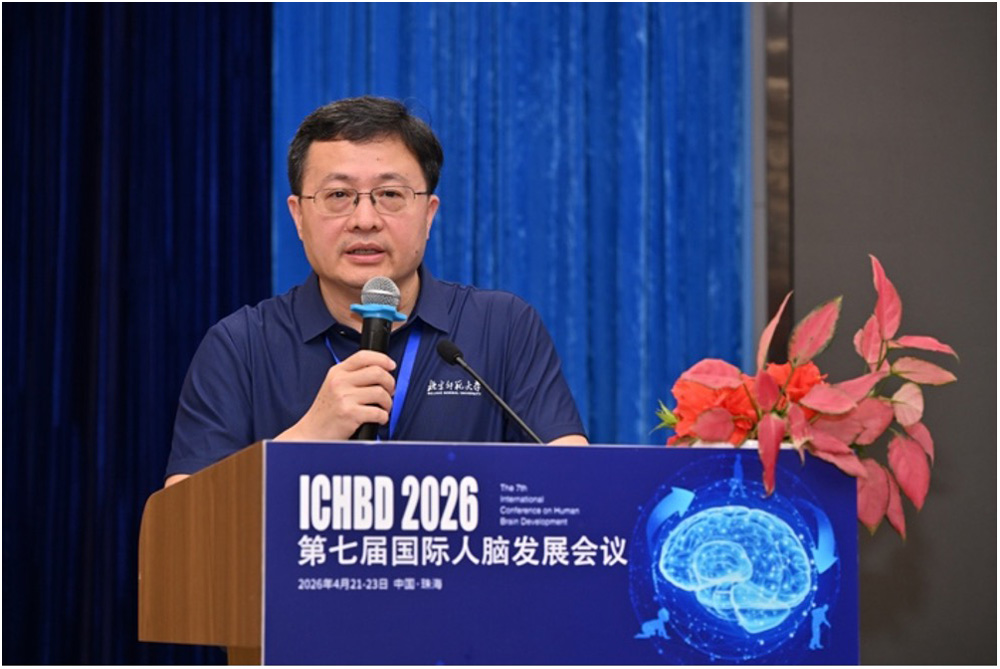
Subsequently, the conference featured a series of keynote reports focusing on six main themes: "Brain-Mind Consortium Studies," "Methodology and Theory," "Neurodevelopmental Studies," "Neurodegenerative Studies," "Mind Plasticity Health," and "Embodied Intelligence and Translation".
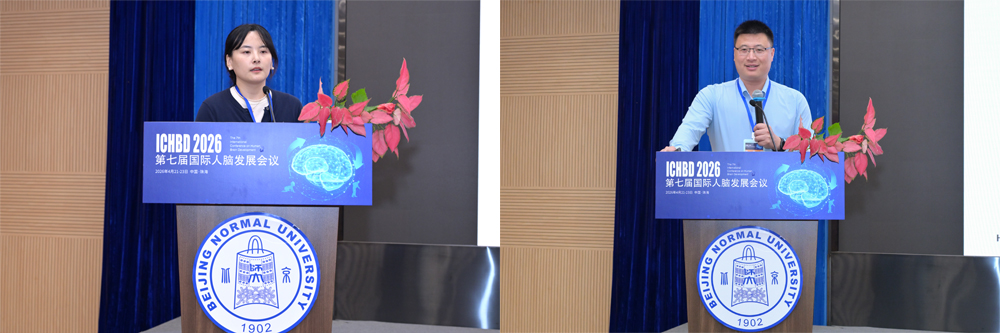
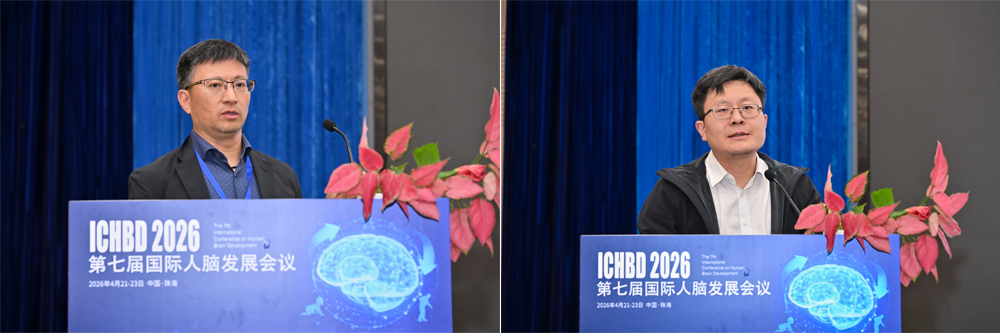
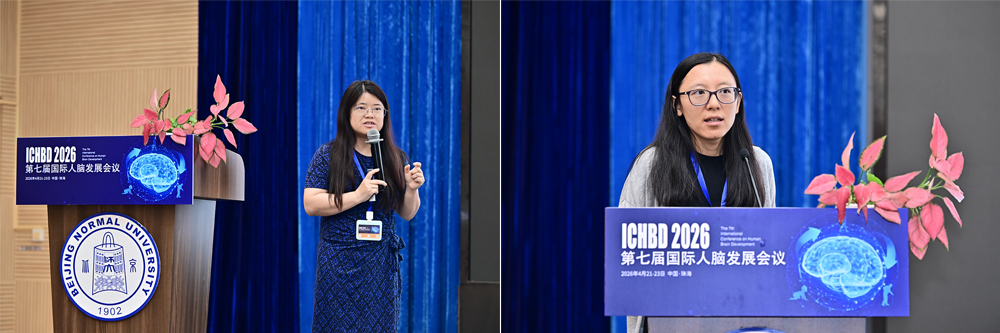
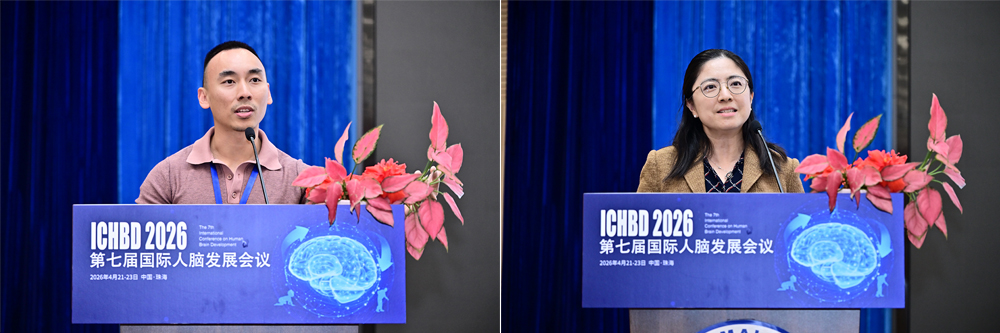
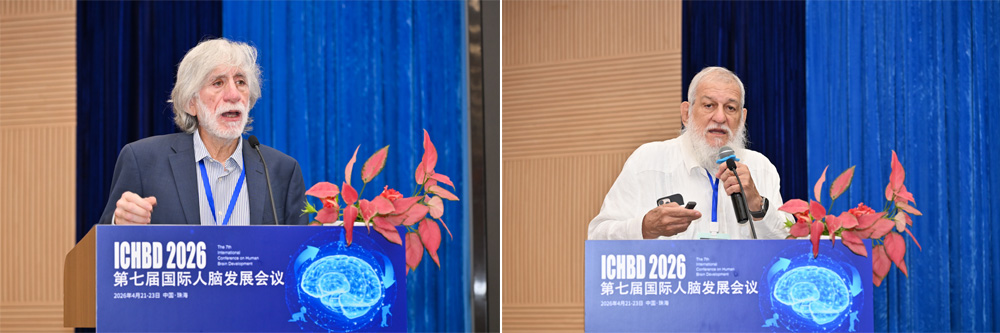
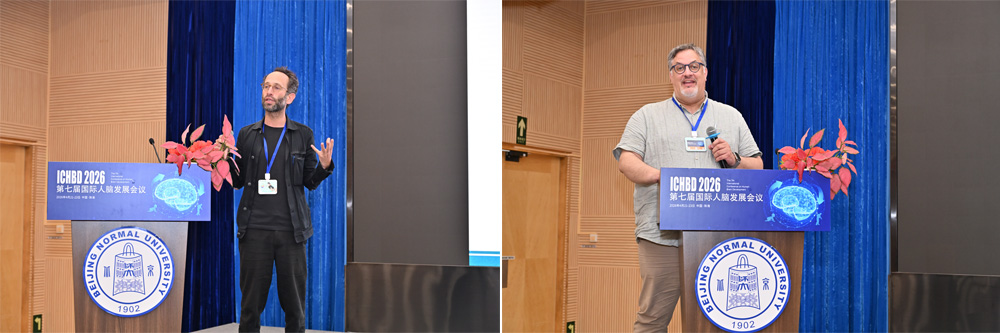
Through in-depth exchanges and discussions, this conference further promoted academic dialogue and international cooperation in the field of population neuroscience, provided new ideas and directions for related research, and injected new momentum into future interdisciplinary collaborative innovation and the translation of achievements.