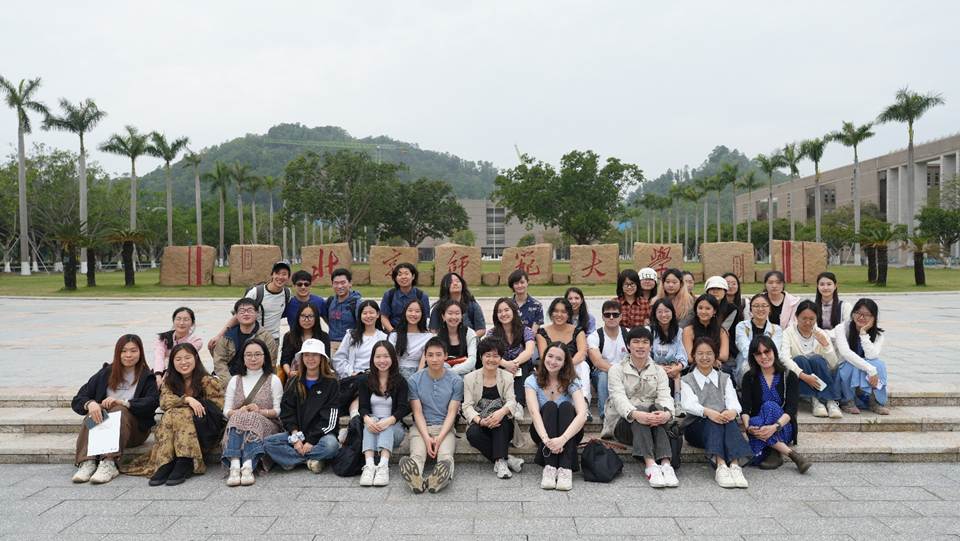
From March 8 to 14, the "Zhi-Xing China Bay Area Tour" Program for young students of Beijing Normal University(BNU) and Princeton University(PU) was held at BNU Zhuhai campus, jointly organized by the School of International Chinese Language Education, the Institute of Chinese Culture丨Jingshi Academy, the College of Education for the Future and the Phoenix School.
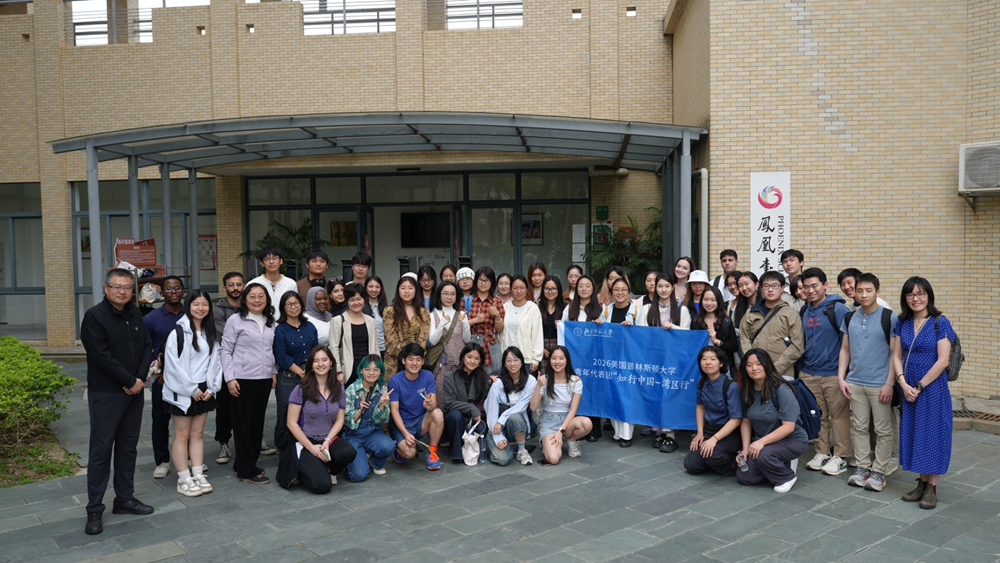
The theme of this study tour focused on traditional Chinese culture and the achievements of Chinese-style modernization in the Greater Bay Area. It consisted of four parts: experiencing the beauty of traditional Chinese culture, exploring of technological innovation, tracing the path of reform and opening-up, and engaging in dialogues among global youth in the Bay Area. The tour started in Zhuhai and proceeded to Greater Bay Area cities including Shenzhen and Guangzhou, allowing participants to witness China's social transformation through the lenses of historical heritage and technological innovation, while immersing themselves in the unique Lingnan culture and society.
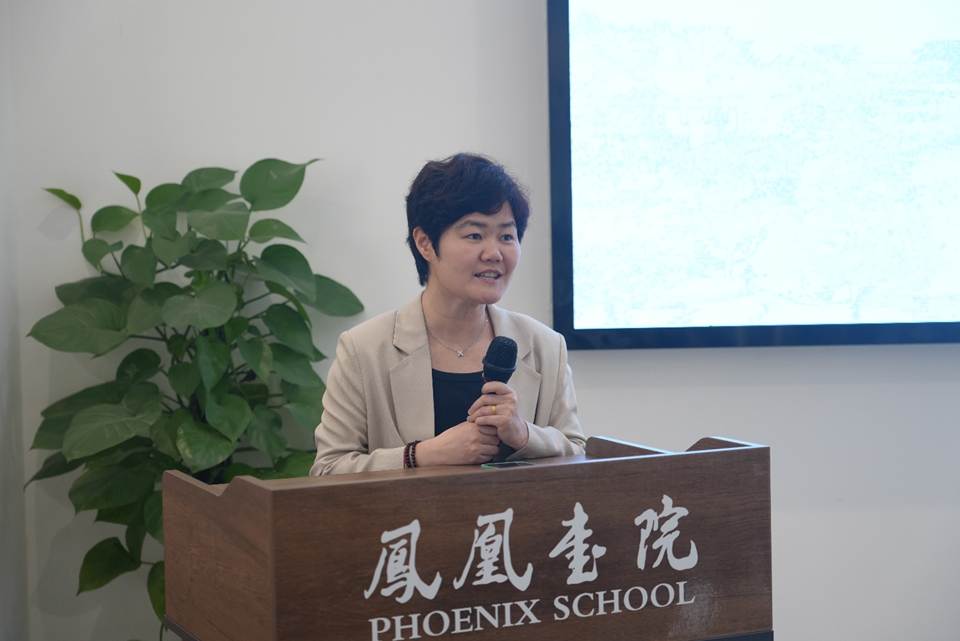
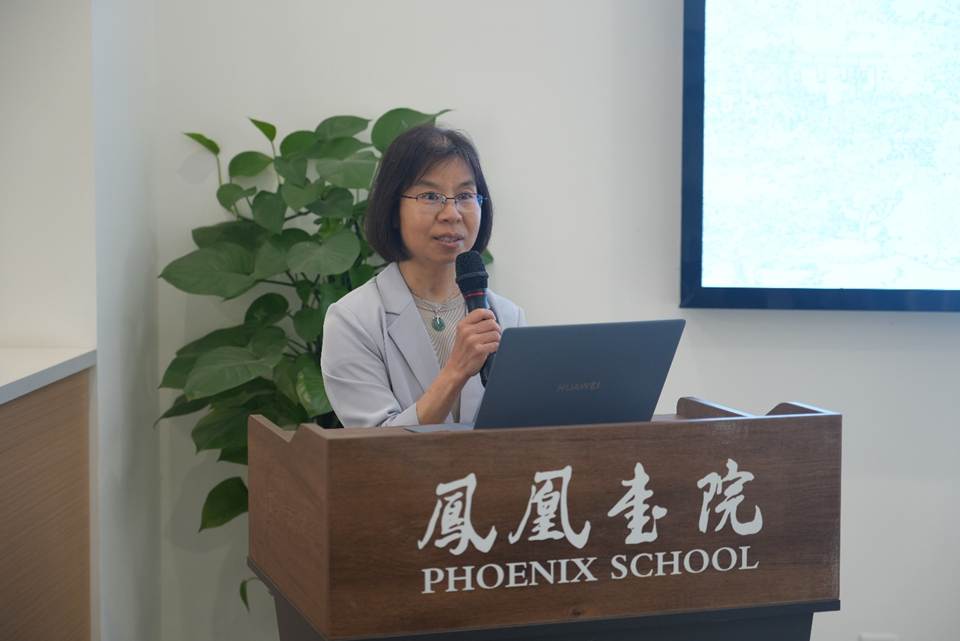
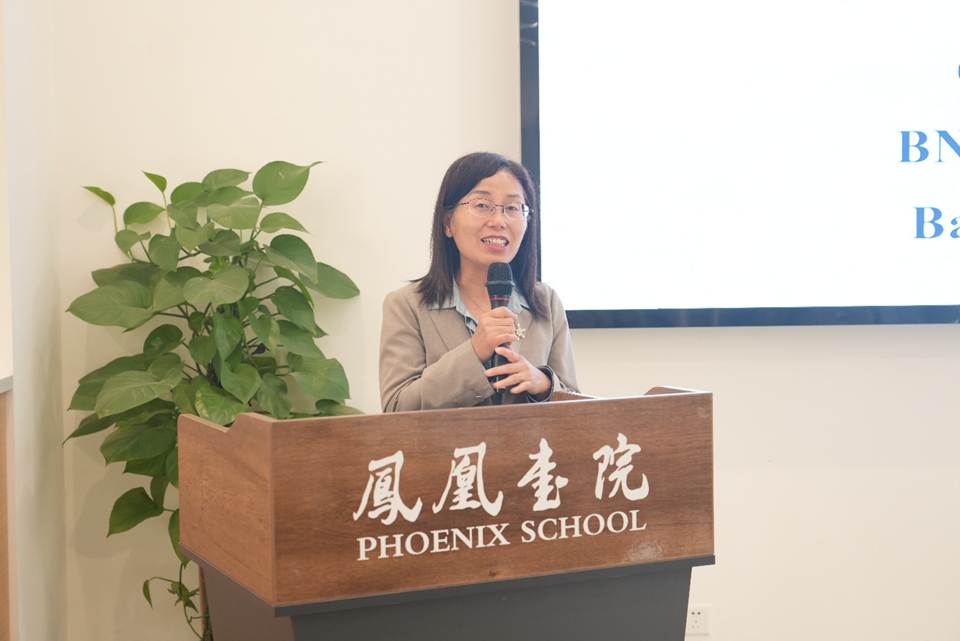
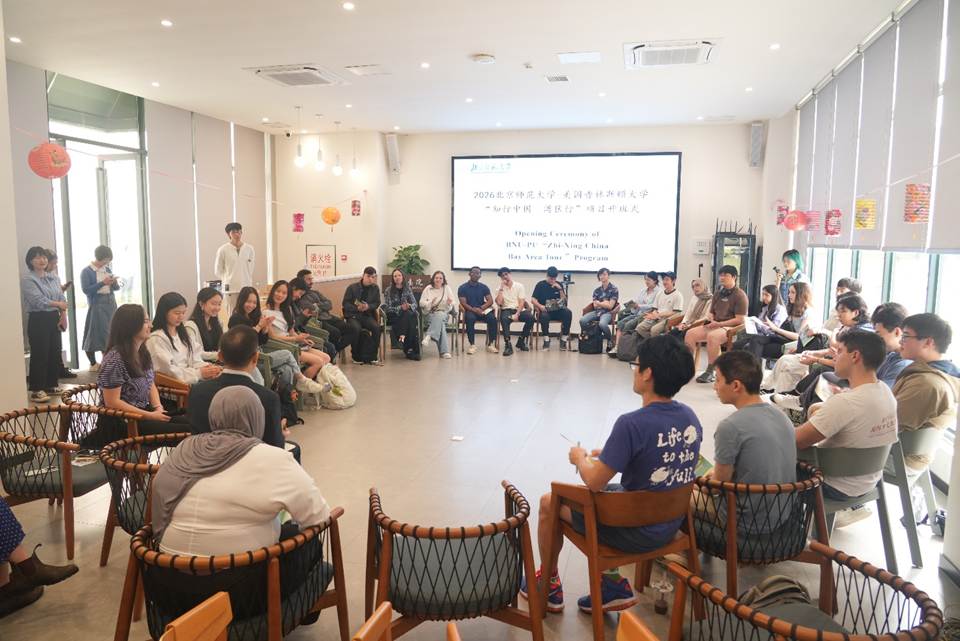
On the morning of March 9, the opening ceremony of the study camp was held at the Phoenix School. Faculty advisors from the relevant units of Princeton University and Beijing Normal University delivered speeches at the ceremony.
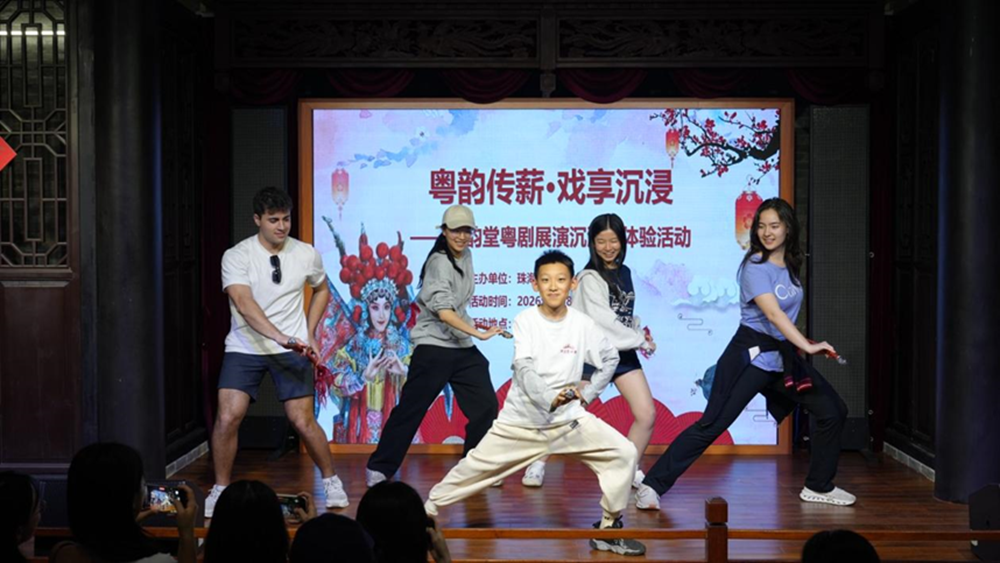
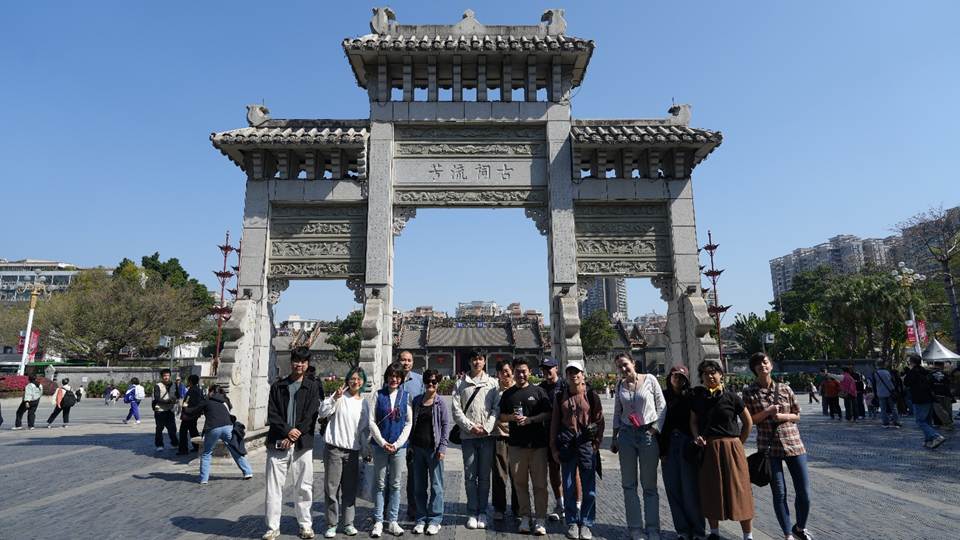
The study camp arranged immersive experiences such as Cantonese opera and pottery, along with a cultural tour of the Chen Clan Ancestral Hall, allowing Chinese and American teachers and students to experience the unique charm of Chinese civilization up close. The participants visited Tangjia Ancient Town, a nationally renowned historical and cultural town, where they gained a deeper understanding of the diverse and integrated Xiangshan culture. Furthermore, they experienced Cantonese opera elements including tasseled spear dancing, flowing sleeve movements, facial masks, and makeup and styling, and enjoyed classic excerpts such as "The Peony Pavilion: Startled Dream" and "Tang Bohu Dians Qiuxiang," appreciating the artistic charm of traditional Chinese opera.
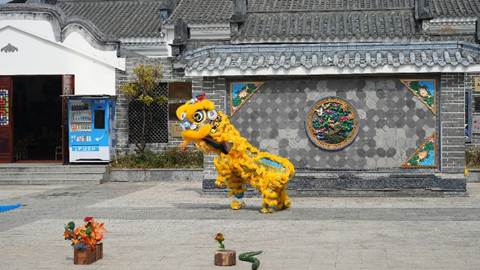
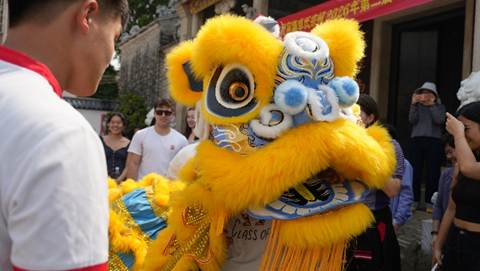
The teachers and students also experienced the unique charm of the Lingnan Awakening Lion performance, a Chinese intangible cultural heritage. The performance vividly showcased the lion's rich range of expressions and emotions.
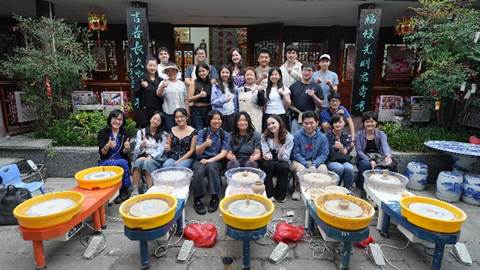
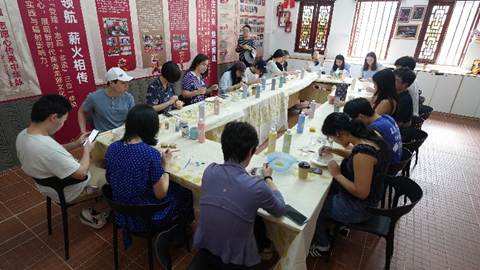
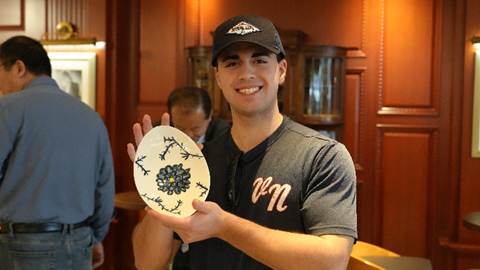
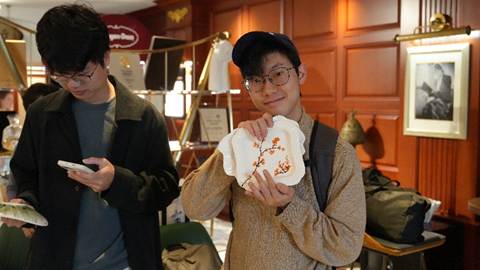
During the pottery experience session, under the guidance of master artisans, the teachers and students completed steps such as kneading clay and painting designs, combining their creativity with traditional Chinese patterns while experiencing Chinese ceramic culture.
At the Chen Clan Ancestral Hall, known as the "Pearl of Lingnan Architectural Art," participants carefully observed traditional architectural decorative arts such as wood carving, brick carving, stone carving, lime sculpture, ceramic sculpture, bronze and iron castings, and color painting, experiencing the artistic aesthetics and spiritual pursuits of the Lingnan people.
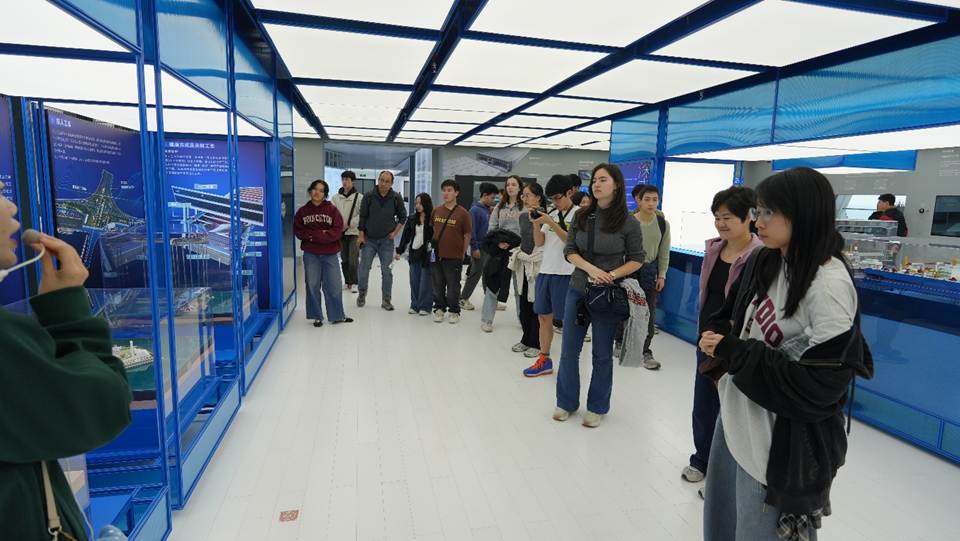
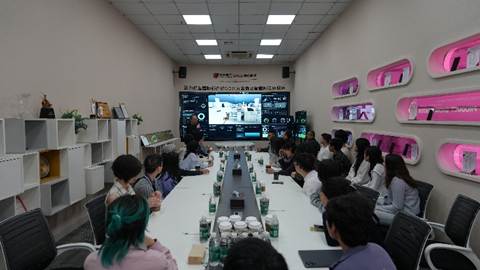
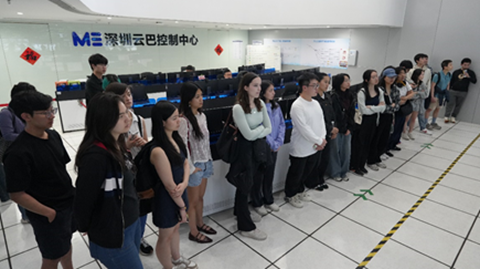
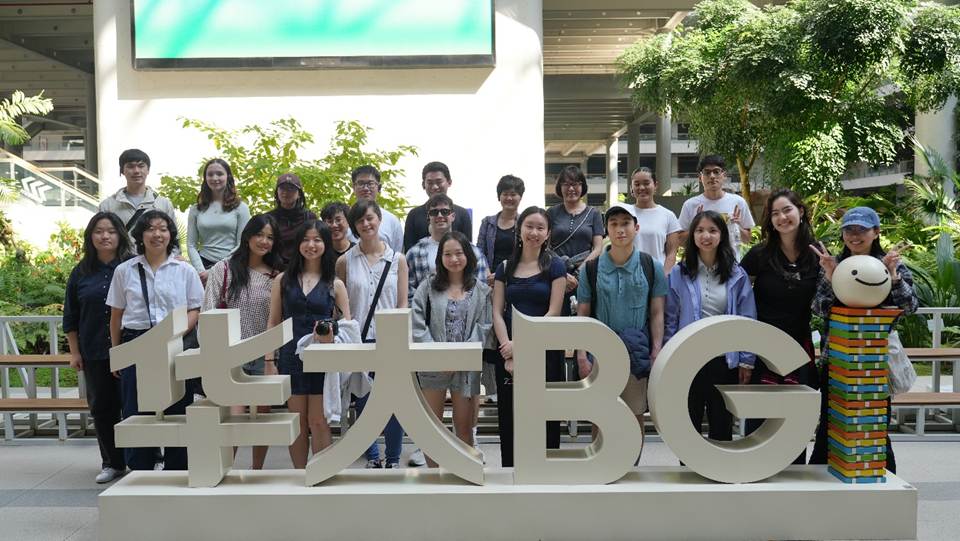
Afterwards, to experience the vitality of technological innovation in the Greater Bay Area up close, the study tour group visited science and education platforms such as the Shenzhen-Zhongshan Link, Guangdong ENOK Comuunication Co,Ltd, BYD Company in Shenzhen, and BGI Group.
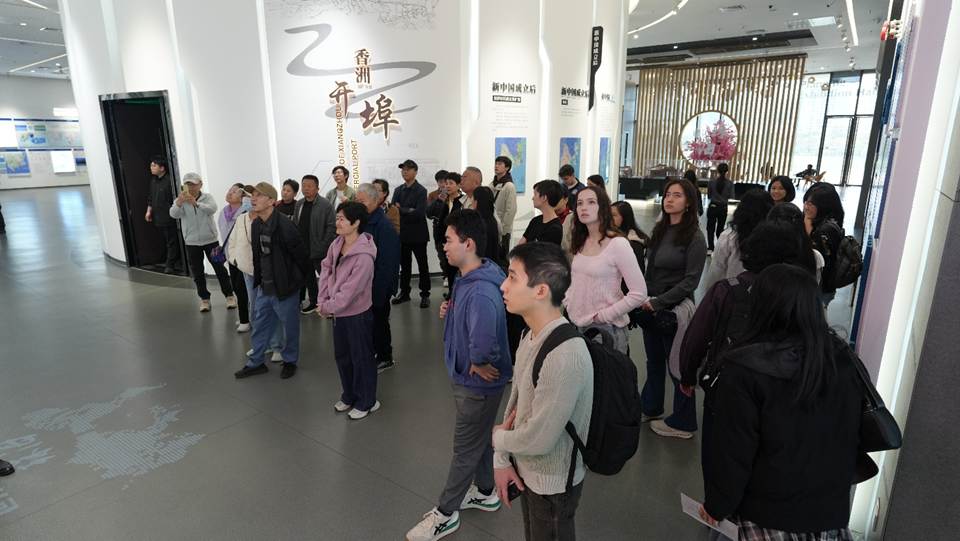
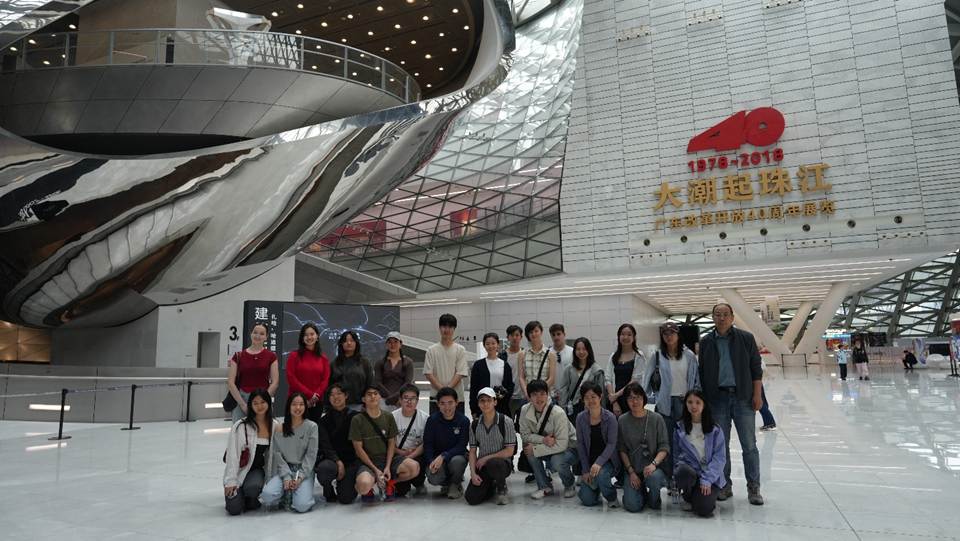
In addition, the study tour group visited the Zhuhai Museum, Zhuhai Planning Exhibition Hall, Shenzhen Reform and Opening-up Exhibition Hall and other venues. Through a wealth of historical images, physical objects, and scene reconstructions, the teachers and students intuitively reviewed China's opening-up process and deeply felt the country's development and tremendous changes over the past few decades.
Finally, Chinese and American students from the study camp engaged in in-depth dialogues with student representatives from Beijing Normal University at Zhuhai and Sun Yat-sen University on topics such as global governance, technological innovation, artificial intelligence, new energy, and college life.
Throughout the event, American youth experienced China through tangible and participatory scenarios, achieving deep communication through two-way dialogue. Young people from both countries deepened their understanding through mutual cultural learning and built trust through open dialogue.